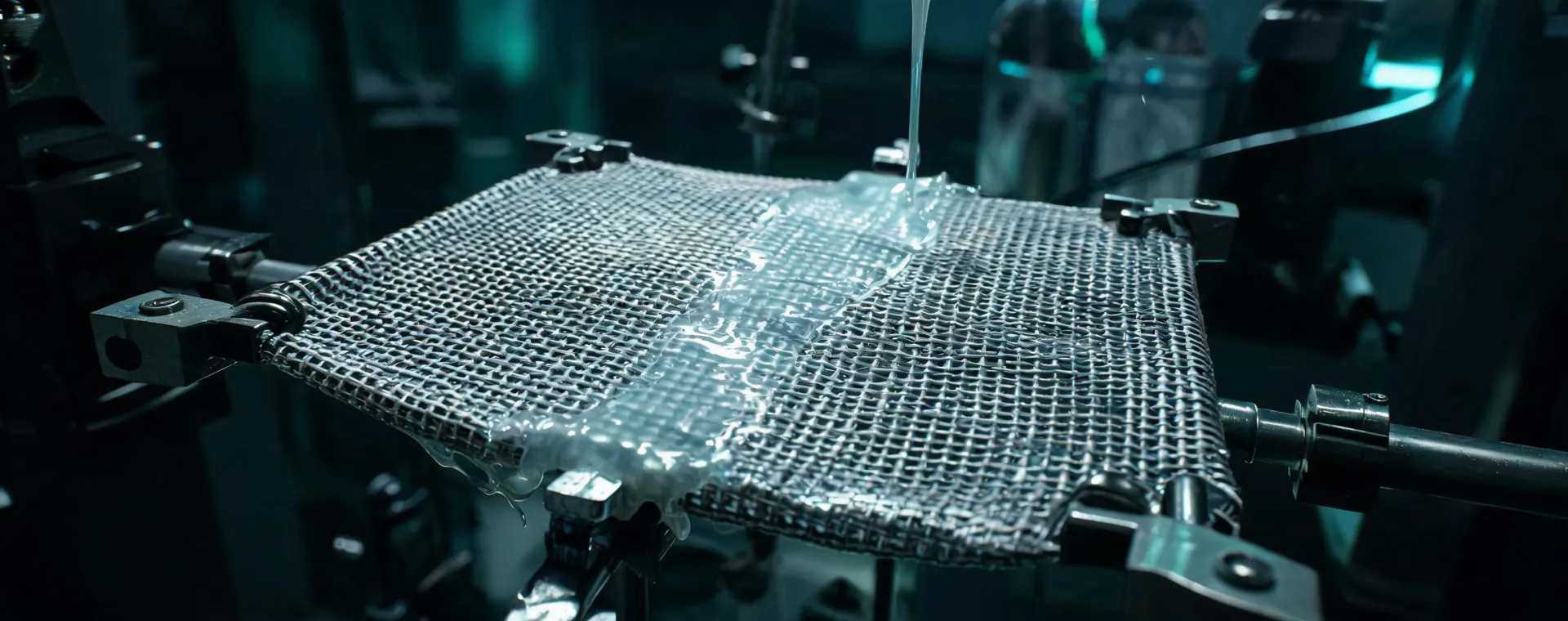
Composite membrane reinforcement held under tension during coating
Material routes, not umbrella claims

Serge Ferrari Material Innovation Evidence

Innovation is reviewable when a named reference connects reinforcement, coating or extrusion route, specimen, test method and application. This guide separates those layers instead of treating every composite membrane as the same technology.

Explore material platforms
Construction platforms

Start beneath the surface name

The labels below are orientation routes. The exact technical sheet remains decisive because structure and properties vary by reference.

PET / PVC

Coated textile reinforcement

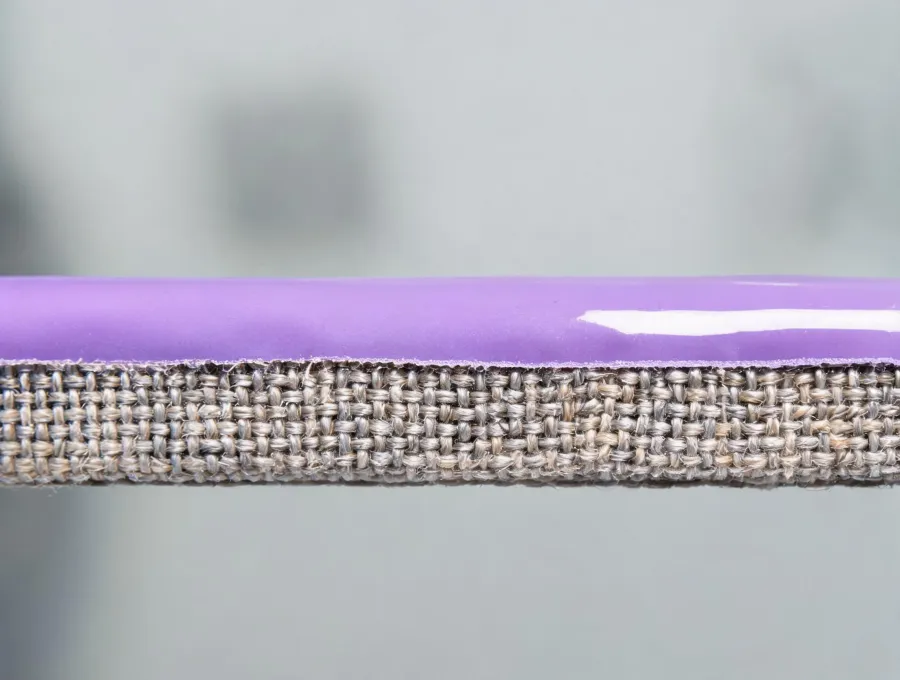
A high-tenacity PET reinforcement may be coated with formulated PVC layers for architectural or other technical uses. Review weave or micro-cable structure, coating mass, overall GSM, thickness if published, usable width, tensile direction, tear method, finish and welding guidance. Précontraint® is a proprietary process associated with biaxial tension during coating; the process name does not by itself prove the result for every reference.
GLASS / PTFE

Glass-fiber composite route

Glass reinforcement with PTFE coating belongs to a different material route from PET/PVC. Compare non-combustibility or fire evidence, light transmission, surface behavior, tensile values, creep or elongation context, joining details and application constraints using the exact current document. Do not transfer a PTFE/glass statement to Soltis, Batyline or another unlike construction.

STFE

Structural transparent skin

STFE appears in an identified Xtrem reference family. Transparent or translucent appearance, structural role, reinforcement, attachment and environmental behavior require product-specific evidence. STFE should not be expanded into PTFE, ETFE or generic clear-film claims merely because the names share letters or architectural use.

BREATHABLE

Roof and façade membrane route

A breathable waterproof membrane addresses moisture and envelope conditions that differ from an exposed tensile roof or solar screen. Ask for water-resistance and vapor evidence, substrate, layer position, façade or roof use, fastening, joint treatment, exposure limits and compatible assembly. “Breathable” is not a universal value without a test method and unit.

EXTRUDED YARN

Flexible woven surface route

Furniture and sling materials can use coated or sheathed yarn structures rather than the laminated appearance associated with some membranes. Review yarn architecture, openness, abrasion method, dimensional response, cleaning chemistry, contract fire scope and frame tension. The local category term “synthetic leather” does not redefine this whole platform.

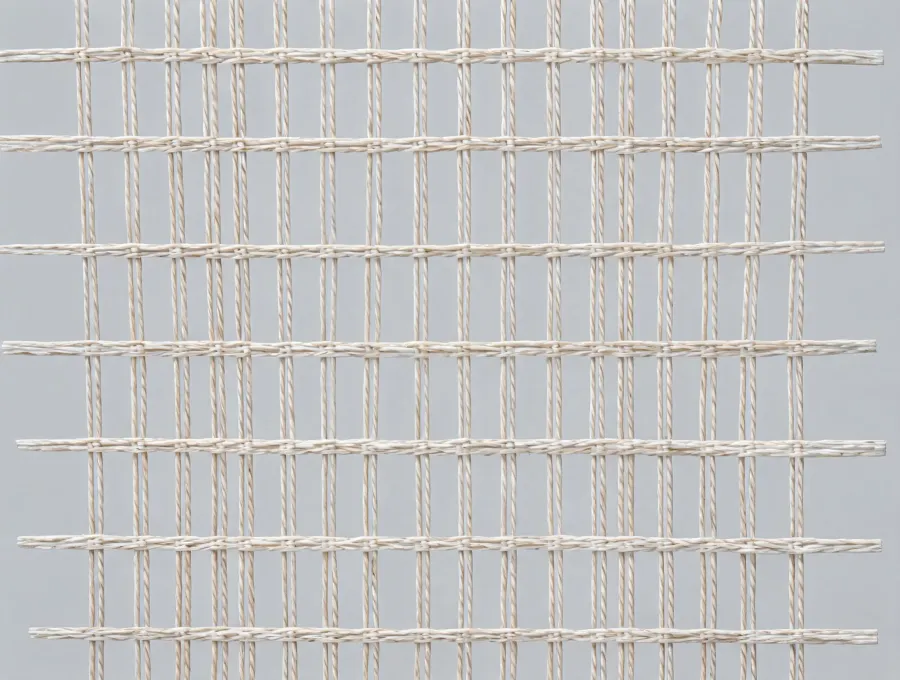
Warp and weft reinforcement prepared for coated membrane production
Step 01

Reinforcement establishes direction

Warp and weft architecture influences directional tensile and tear behavior. A valid comparison retains specimen orientation, conditioning, gauge, method and unit. A single “strong” label removes the information needed to compare two references or to relate a laboratory result to pattern and seam design.

  • Record reinforcement family and construction.
  • Keep warp and weft results separate.
  • Do not infer seam or assembly strength from base material alone.
Uniform polymer coating layer on a technical textile
Step 02

Coating creates a specific interface

Polymer formulation, coating weight, surface treatment, opacity, openness and finish influence handling and use. Direct coating, transfer coating, breathable constructions and glass/PTFE routes have different trade-offs. Maintenance chemistry, welding method and weather exposure remain reference-specific.

  • State coating or surface route exactly.
  • Check finish and color within the document scope.
  • Separate waterproof wording from hydrostatic or assembly performance.
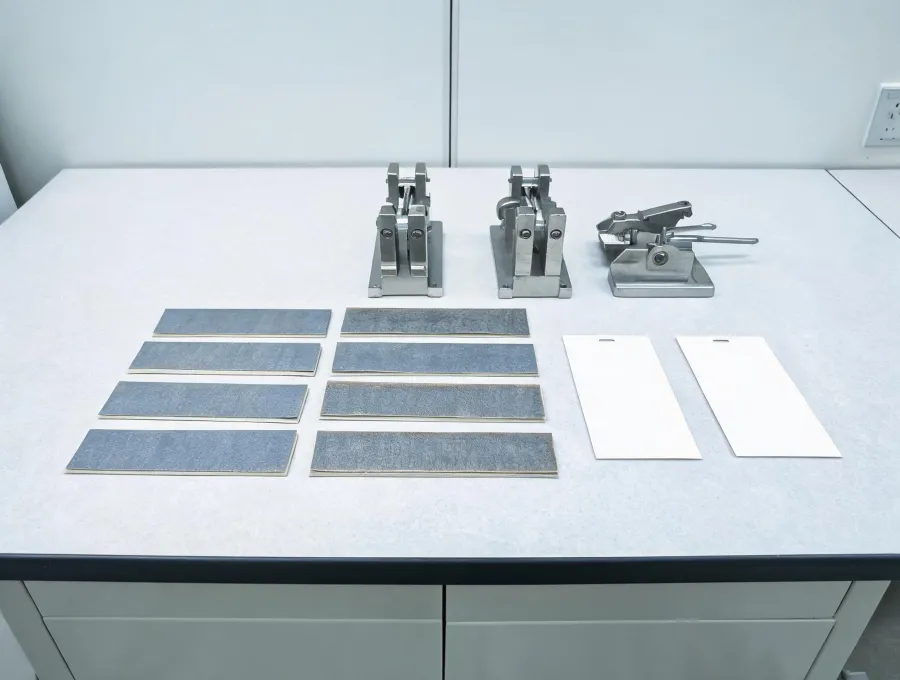
Coated membrane test coupons labeled by method and direction
Step 03

Verification reconnects claim and context

Fire classification, weathering, light behavior, mechanical results and environmental attributes need a named specimen, method, result or class, document edition and application scope. The responsible project team then evaluates assembly, code and exposure conditions that a material sheet cannot resolve alone.

  • Capture method, unit, class and edition.
  • Identify jurisdiction and assembly when applicable.
  • Escalate design, fabrication and installation questions to qualified parties.
Environmental evidence boundary

Historic activity is not a current portfolio claim

The reviewed official history treats Texyloop as a terminated activity. The search phrase “Serge Ferrari Texyloop recycling” may be explained historically, but it cannot establish a current take-back service, a closed loop, recycled content in a present reference or portfolio-wide recyclability.

No certification logos appear here because the reviewed brand configuration contains no verified certificate set. For any current environmental or regulatory statement, request the exact product reference, declaration or certificate owner, scope, issue and expiry dates, applicable site or market and evidence edition.

Claim typeMinimum evidenceDo not infer
Recycled contentExact reference, percentage basis, feedstock route, document dateWhole-range recycled content
RecyclabilityMaterial route, accessible collection and processing contextCurrent Texyloop service
Fire behaviorMethod, class/result, specimen or assembly, jurisdictionUniversal fireproof performance
Regulatory statementOwner, scope, geography, issue and current statusPortfolio certificate badge

Review one construction at a time

Provide a range, exact reference, current document and intended application. That is enough to begin a defensible evidence check without inventing supply, certification, service or authorization claims.